
Liddy and Hunt’s Covert Partnership
All the President's MenThis flow traces the operational relationship between Gordon Liddy and Howard Hunt, from White House covert work to the burglary and their refusal to expose senior sponsors.
increasing Bearing strength in each event
 decreasing
Bearing strength in each eventdecreasingTwo Specialists Meet
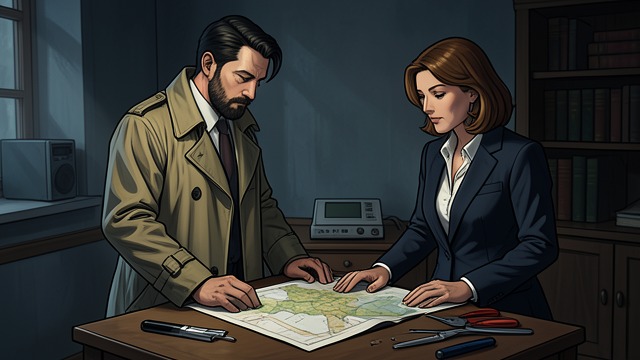
Two Specialists Meet
Different Backgrounds, Shared Work
Gordon Liddy and Howard Hunt brought law-enforcement and intelligence experience to covert projects around the White House. Their work intersected through the Plumbers and the campaign’s intelligence operation.
A Dangerous Combination
Their skills served a political apparatus that lacked clear limits. The later Watergate operation exposed how the combination of operational ambition and political pressure could turn covert methods against domestic opponents.
The Campaign Operation
The Campaign Operation
Intelligence Becomes Action
Liddy and Hunt were associated with surveillance plans and operations aimed at Democratic targets. James McCord and the Miami men became part of the practical machinery surrounding the Watergate effort.
Secrecy as Structure
The operation relied on compartmentalization, cash, and intermediaries. Liddy and Hunt’s connection to campaign and White House figures made them both operatives and potential links to the people who had sponsored the work.
The Arrest and the Silence
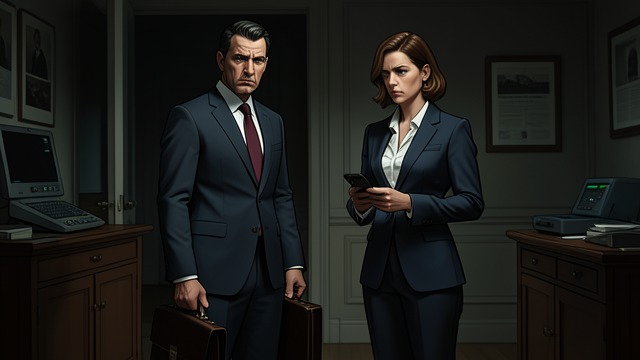
The Arrest and the Silence
A Failed Entry
The burglars were arrested at Democratic National Committee headquarters, with electronic equipment and cash. Hunt’s panicked arrival at the Howard Johnson Motor Hotel and Liddy’s subsequent conduct suggested that the operation had not unfolded as planned.
Loyalty Becomes a Barrier
Hunt and Liddy refused to explain the chain above them. Their silence protected the broader operation from direct testimony, while leaving the reporters and prosecutors to reconstruct it through money, records, and other witnesses.
A Heroic Silence
A Heroic Silence
A Plea and a Principle
Howard Hunt pleaded guilty and said no higher-ups were involved to his personal knowledge. A witness described Hunt as viewing silence as a form of loyalty and even self-sacrifice.
A Closed Path to the Top
The defendants’ silence made it harder to establish firsthand evidence against senior officials. The partnership’s discipline, whatever its source, allowed the campaign hierarchy to remain insulated during the initial trial.
The Larger Operations Surface
The Larger Operations Surface
Other Missions Emerge
Reporting connected Hunt and Liddy to leak investigations, the burglary of Daniel Ellsberg’s psychiatrist’s office, and other covert projects. The Watergate break-in increasingly appeared to be one episode in a much broader pattern.
Their Role Endures
Hunt and Liddy remained central defendants while others faced scrutiny for arranging operations and payments. Their story linked the practical execution of covert work to the political system that enabled and concealed it.
1971
1971–June 1972
June 17, 1972–January 1973
January 1973
1973–1974
